How can research findings be applied in an even more targeted manner? And what new collaborations might emerge from this? On July 28, 2026, representatives from futureSAX’s transfer division discussed these and other questions with researchers at the IOM.
Jannis Bulla, Project Manager for Research Commercialization and Validation, and Niklas Lange, Project Manager for Transfer Awareness, visited the institute as part of the futureSAX Summer Transfer Tour. On their journey through Saxony, they are getting to know research and transfer institutions as well as other stakeholders in knowledge and technology transfer on the ground.
The goal of the tour is to gain insights into current and planned research and transfer projects, new technologies, and commercialization opportunities. At the same time, the tour aims to assess the needs and challenges of the institutions, identify opportunities for collaboration, and bring together potential partners from academia and industry. Furthermore, the tour helps raise the profile of successful transfer activities.
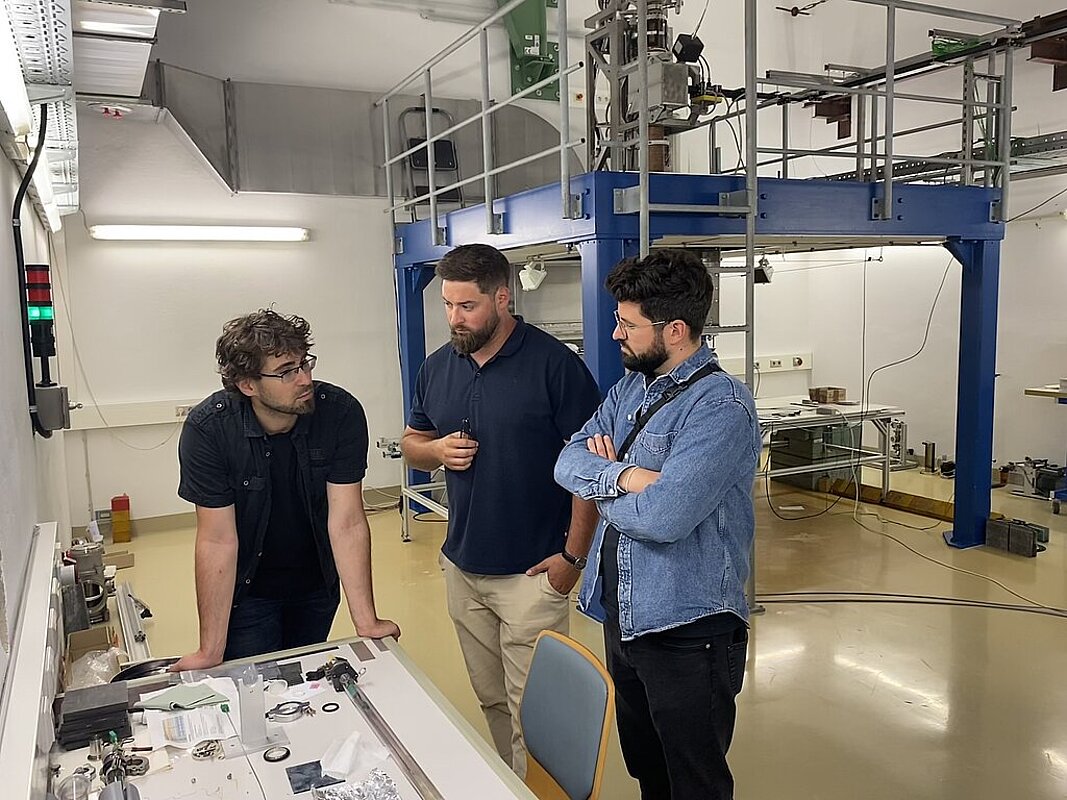
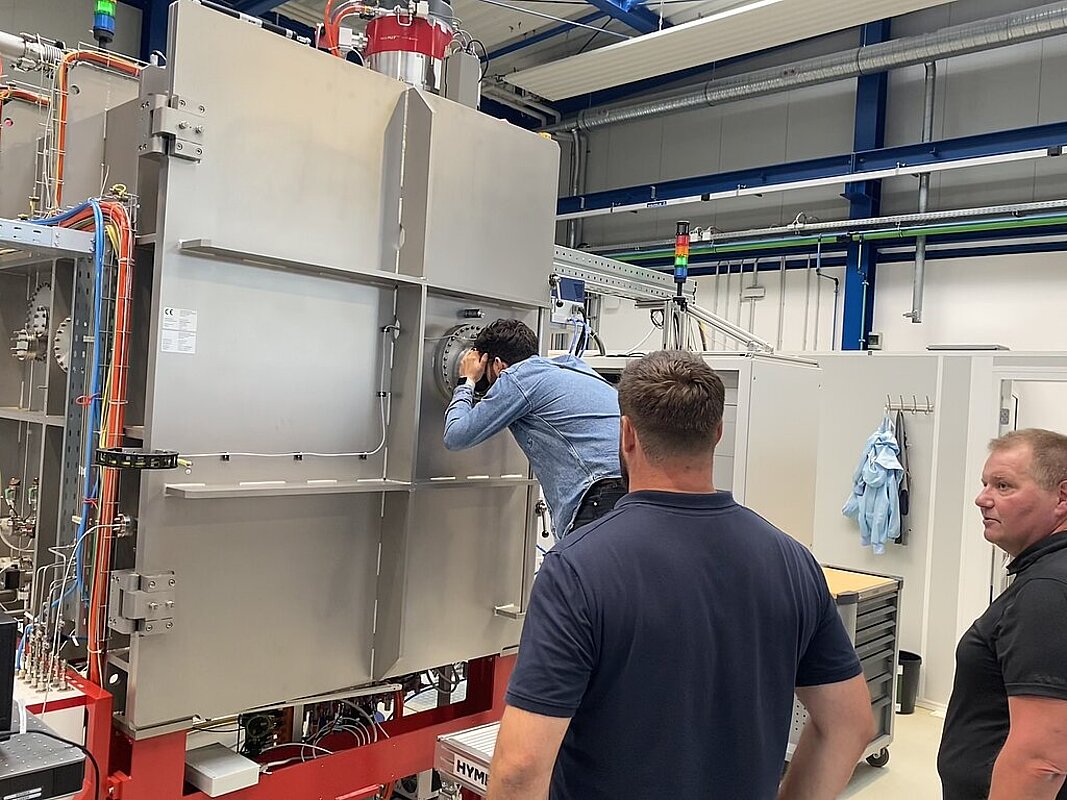
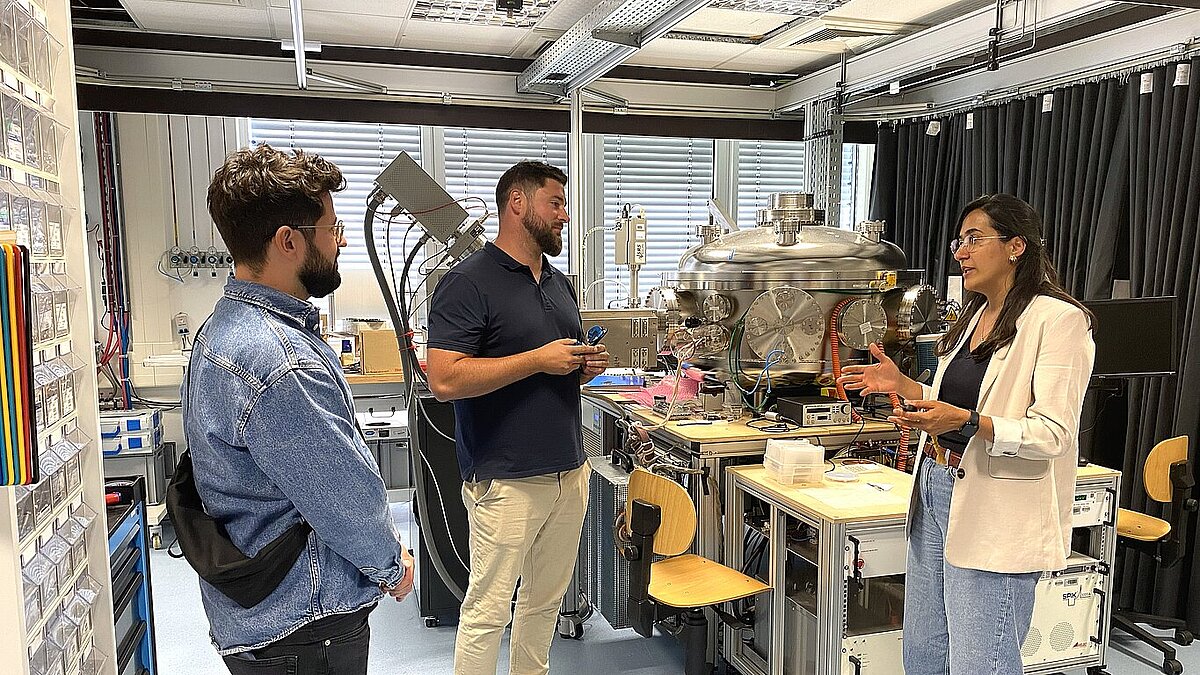
Following a welcome address by the Executive Board, the scientific director first provided an overview of the IOM, its research priorities and areas of expertise, as well as its activities in knowledge and technology transfer. Subsequently, the head of the Technology Transfer Office guided the guests through selected laboratories at the institute.
The first stop was the Hertz Electron Beam Laboratory, where work on the electron beam accelerator was presented. The tour then continued to the IOM’s Application Center to view the diagnostic platform for reactive ion beam etching. There, the focus was on current research approaches and potential applications. The tour concluded at the PlasmaLab, which provided insights into plasma-assisted layer deposition and its potential for various fields of application.
A lively exchange began even during the lab visits. In a subsequent roundtable discussion, the participants delved deeper into their impressions, discussed potential for technology transfer, and explored possible joint topics and support opportunities. The visit demonstrated how important direct exchange between researchers, technology transfer stakeholders, and supporting structures is for initiating new collaborations and successfully translating scientific findings into practical applications.
The IOM thanks the guests for the constructive and pleasant exchange and looks forward to continuing the dialogue.